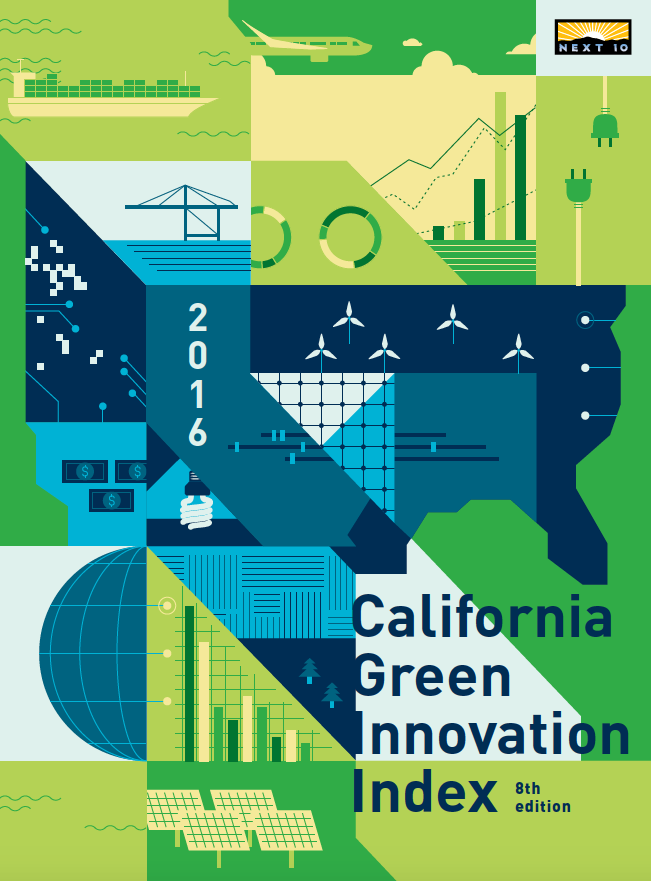
The 11th annual California Green Innovation Index finds California will meet its 2030 climate targets more than three decades late—in 2061—and could be more than 100 years late in meeting its 2050 target if the average rate of emissions reductions from the past year h
Tenth annual California Green Innovation Index finds that policies driving record-setting investment and innovation, but transportation emissions keep rising.
A trio of new studies suggest deepening divisions in California's economy, depending on residents' income and where they live. Some familiar trends continue.
A trio of new studies suggest deepening divisions in California's economy, depending on residents' income and where they live. Some familiar trends continue.
A trio of new studies suggest deepening divisions in California's economy, depending on residents' income and where they live. Some familiar trends continue.
Ninth annual California Green Innovation Index finds California clean economy thriving but emissions-reduction challenges loom; transportation sector emissions spike, pose major challenges to state's 2030 climate goals.
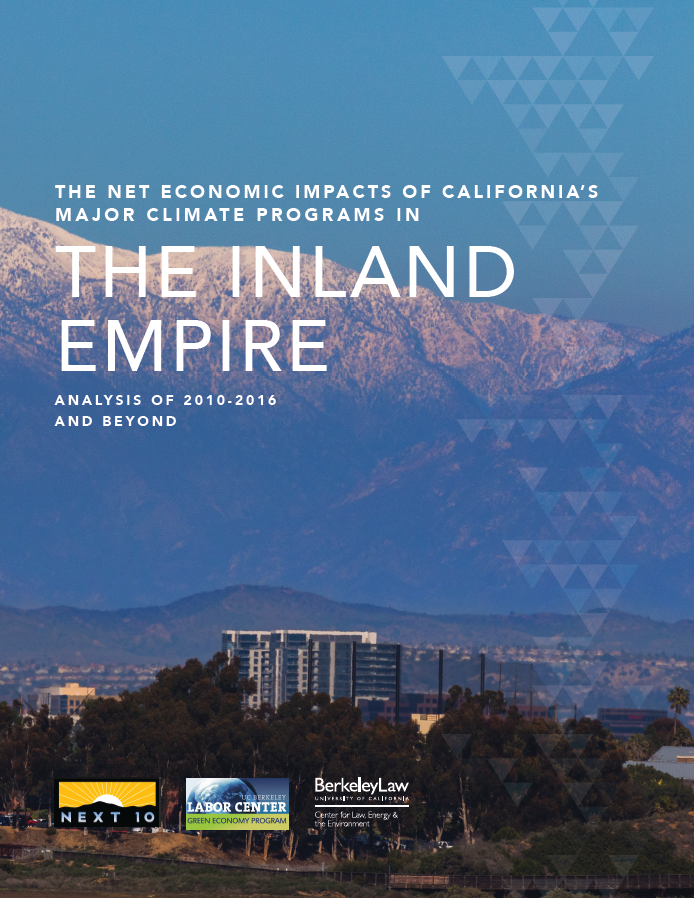
First comprehensive cost/benefit study of state climate policies in Inland Empire finds $9.1 billion in direct economic benefits and over 41,000 direct jobs over seven years.
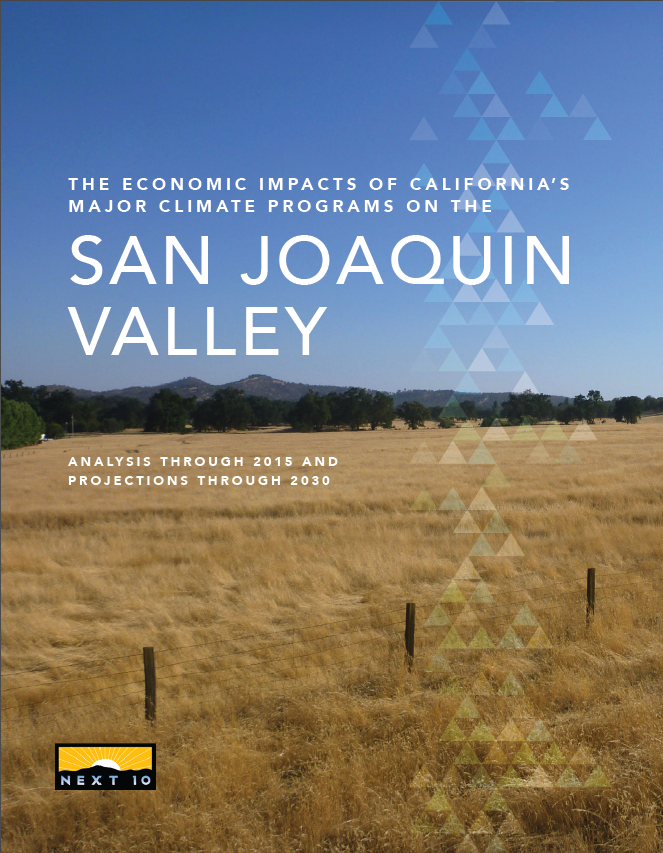
1st comprehensive cost/benefit study of climate policies in San Joaquin Valley finds over $13 billion in economic benefits, mostly in renewable energy.
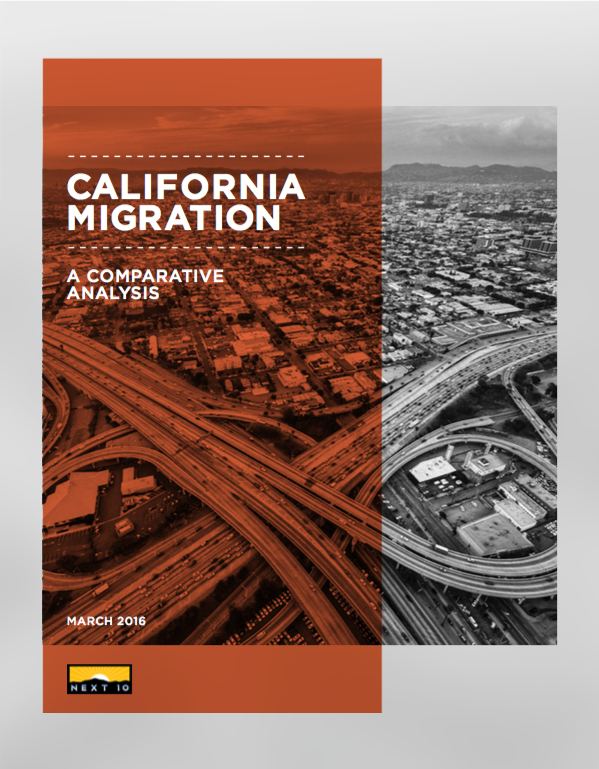
Despite having the third highest rate of low-wage job creation in the nation, California could face a shortage of low-wage workers as housing costs push residents out in search of affordability.