Publications
Twenty Years of AB 32: California’s Landmark Climate Law and Its Legacy
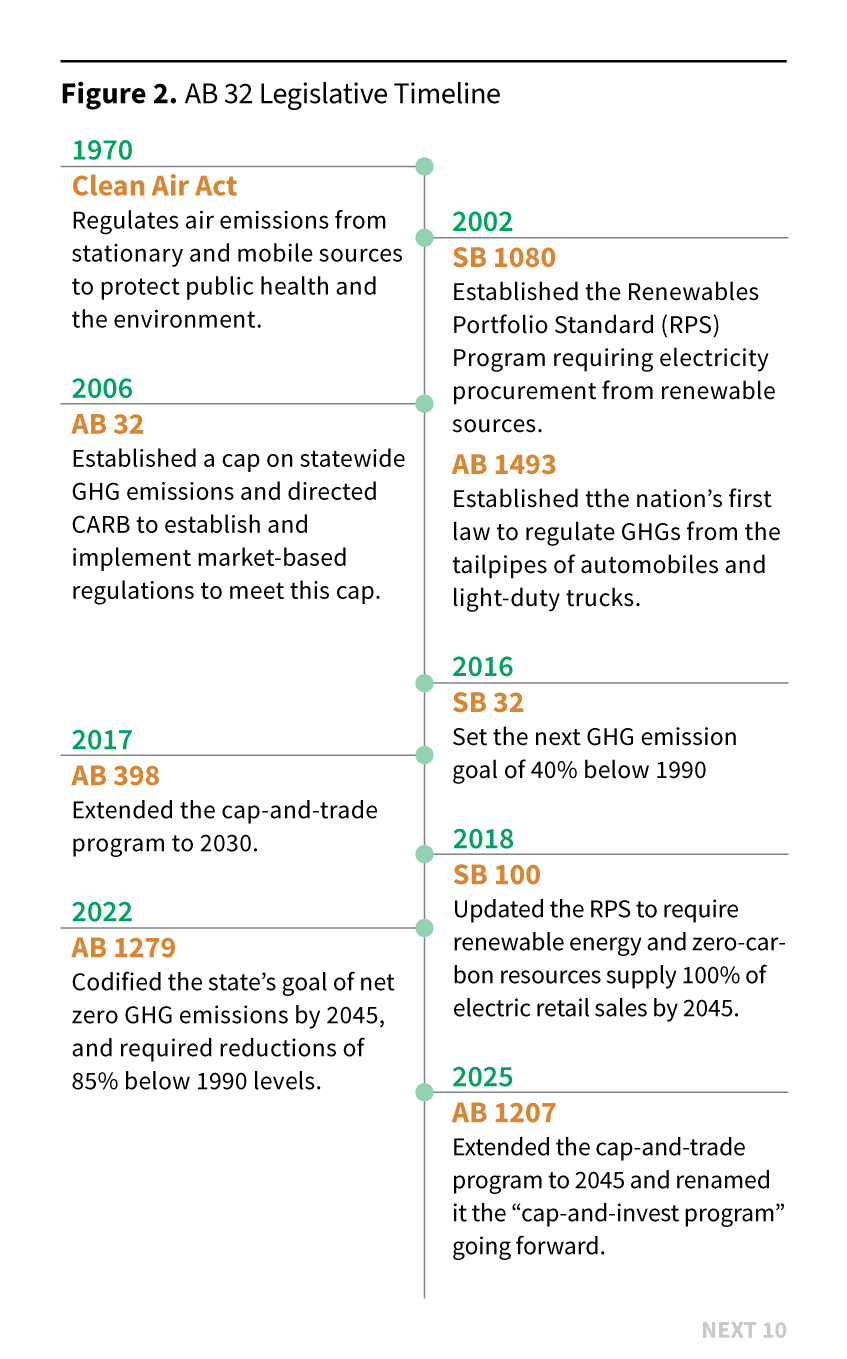
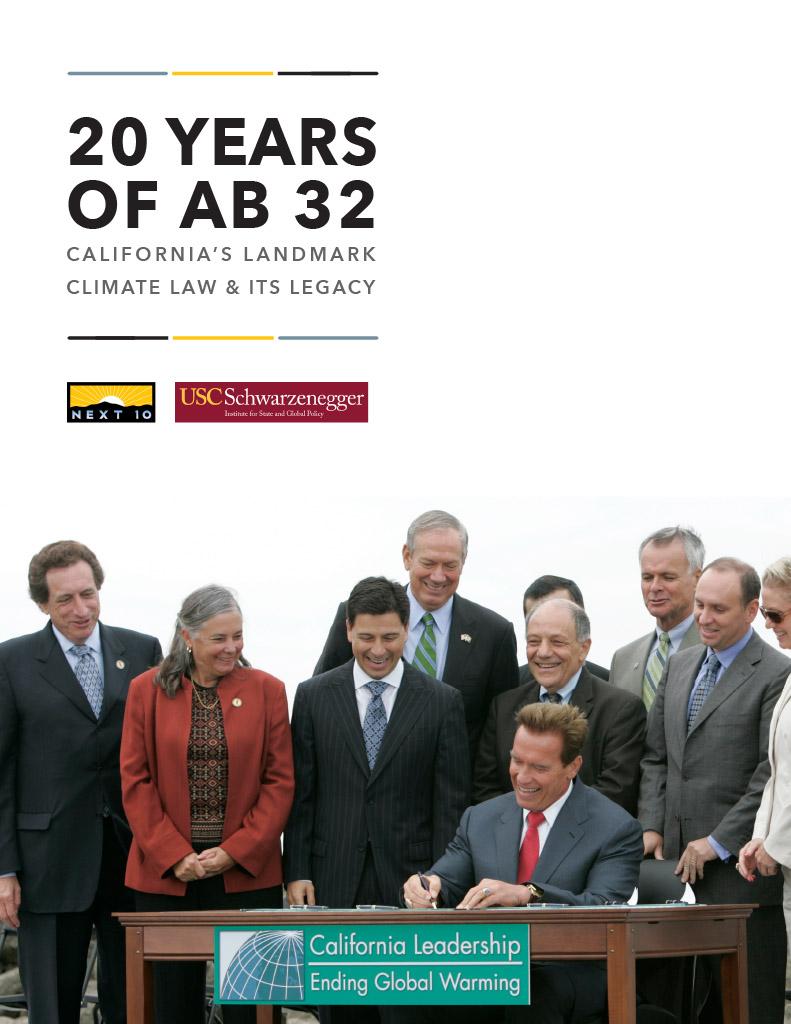
Following decades of work to reduce air pollution across the state, the California Legislature passed Assembly Bill 32 (AB 32), the Global Warming Solutions Act of 2006, co-authored by Assemblymember Fran Pavley and Speaker of the Assembly Fabian Nunez, and signed into law by Governor Arnold Schwarzenegger on September 27, 2006. In the first legislation of its kind, it placed an economy-wide cap on greenhouse gas emissions in California and directed the California Air Resources Board (CARB) to develop a plan to meet the target.
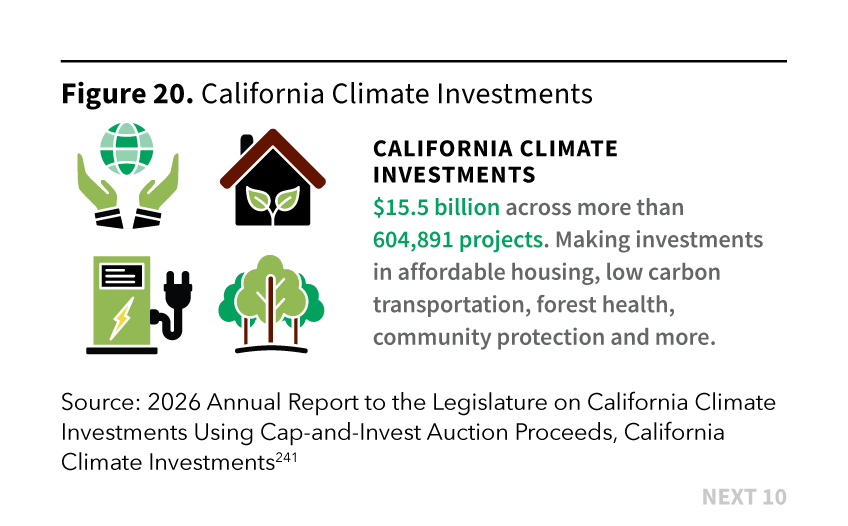
The state’s cap-and-trade program put a price on carbon emissions by creating a market mechanism to regulate and reduce GHG emissions from large polluters in the state. The program puts a cap on the emissions of large emitters, such as power plants and large industrial facilities, and allowances are auctioned off quarterly to cover their emissions under the cap. The money raised from the auctions is deposited into the Greenhouse Gas Reduction Fund (GGRF) and is appropriated by the legislature to fund climate-related projects across the state, referred to as California Climate Investments (CCI).
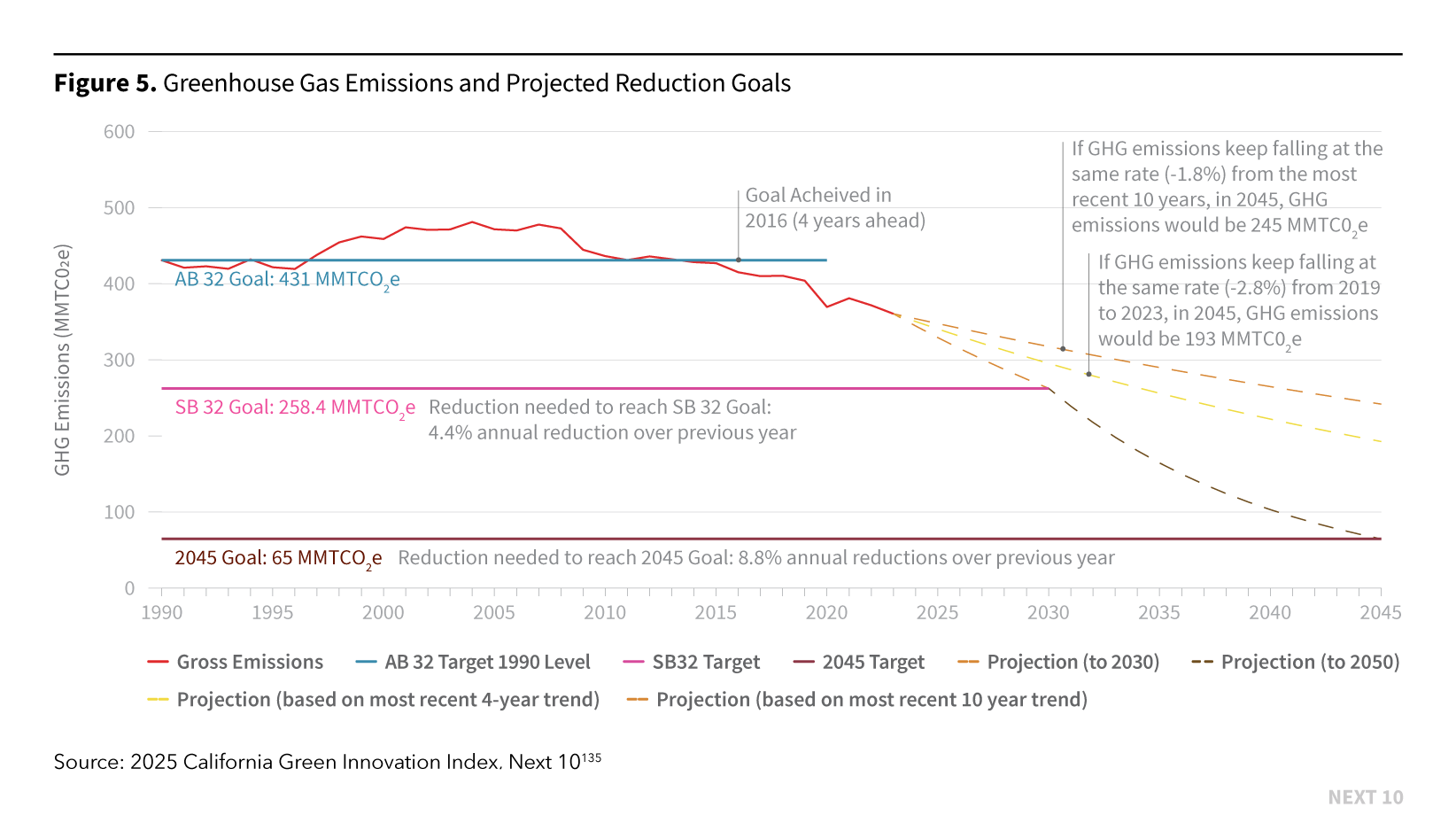
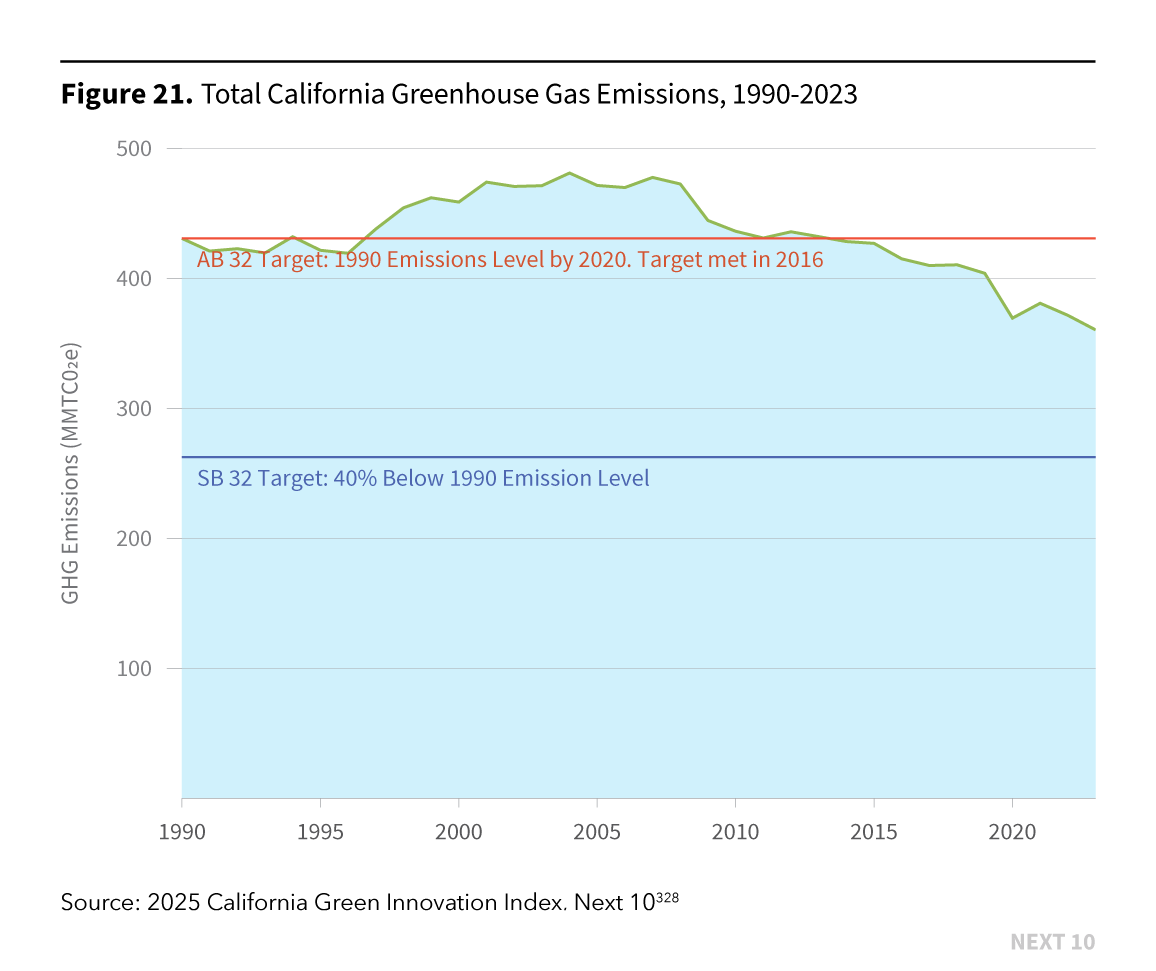
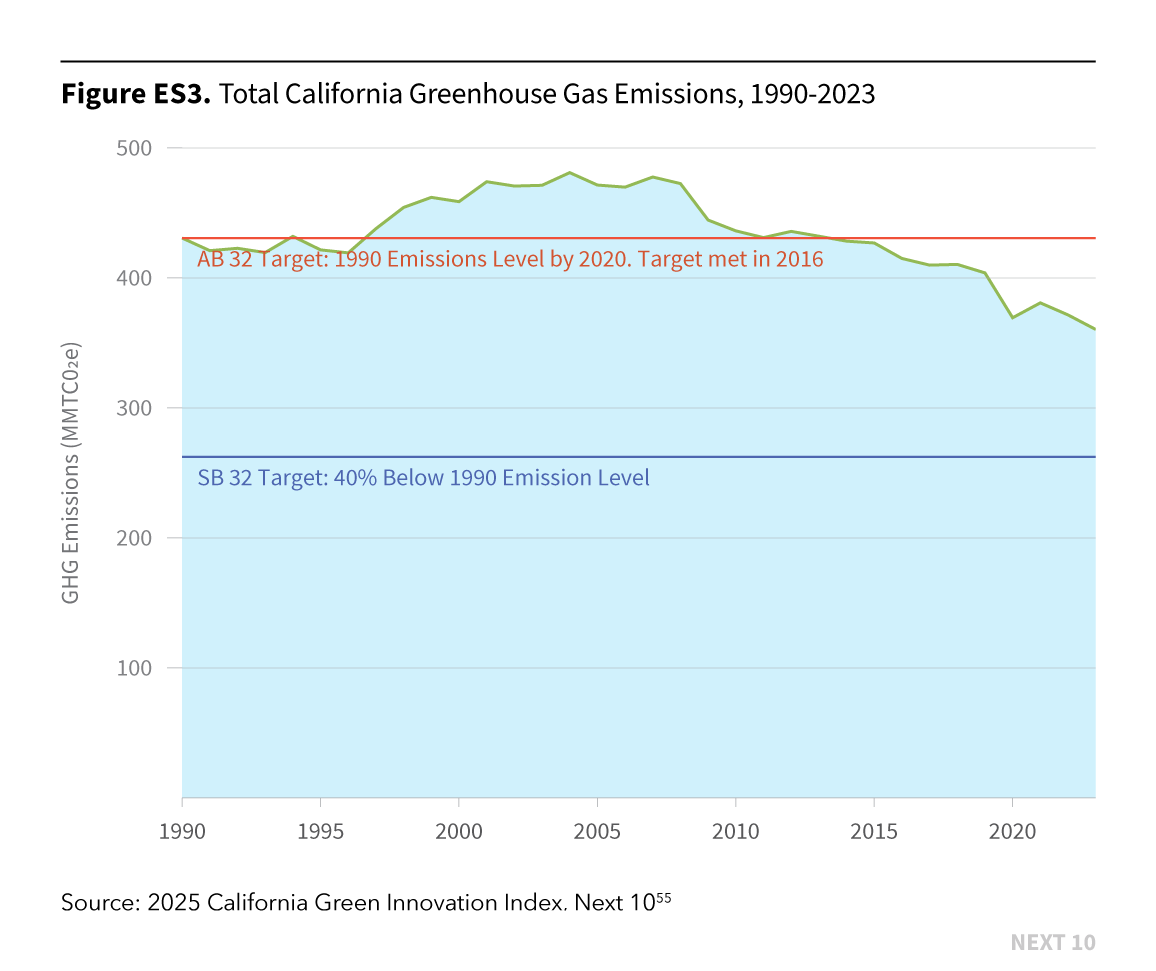
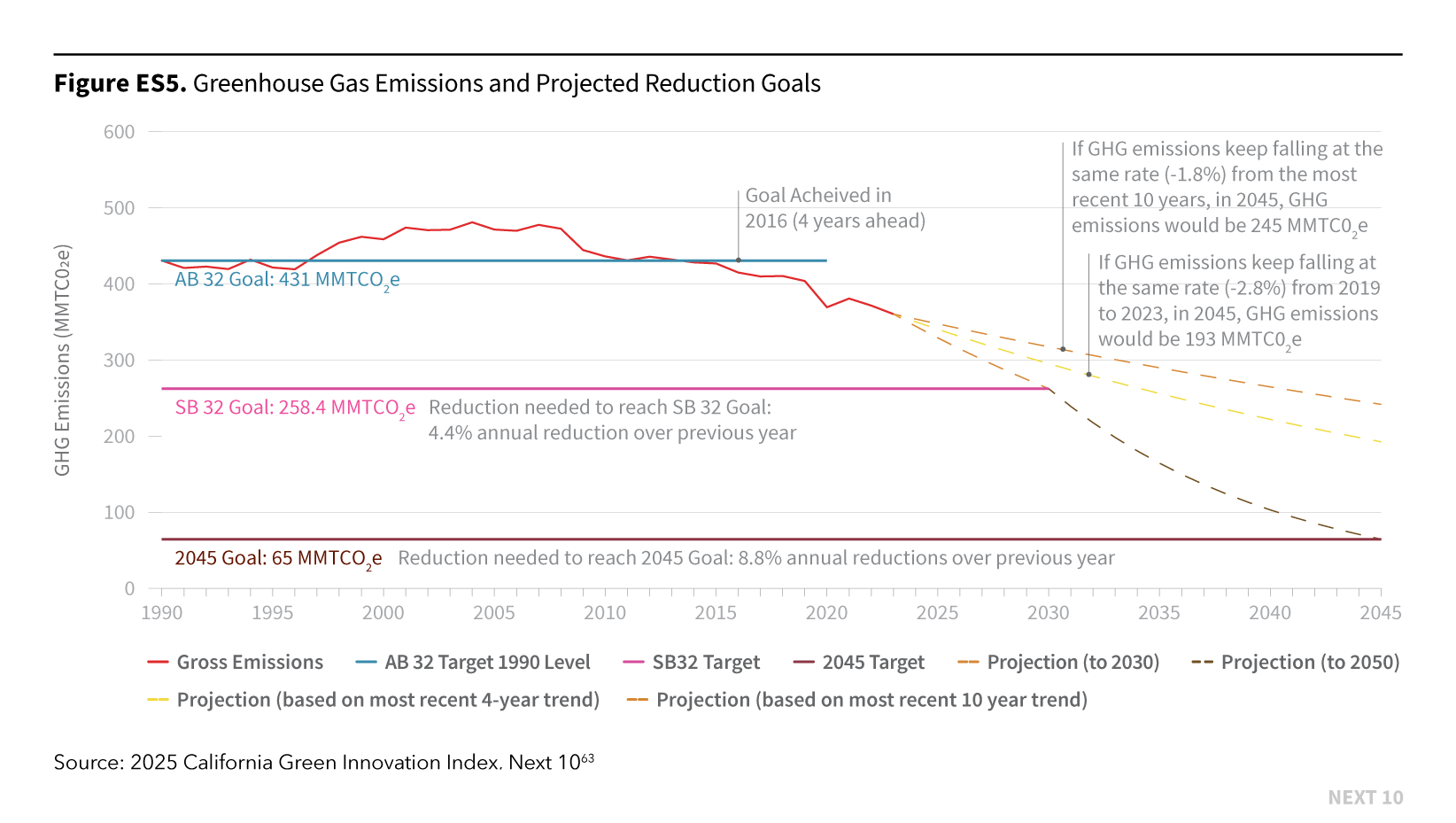
In addition to putting a price on carbon through the cap-and-trade program, it also set statewide emissions reductions targets. The first emissions target, which required California to reduce emissions to 1990 levels by 2020, was met four years early. Senate Bill 32 (SB 32), passed in 2016, set an emission reduction goal of 40% below 1990 levels by 2030.
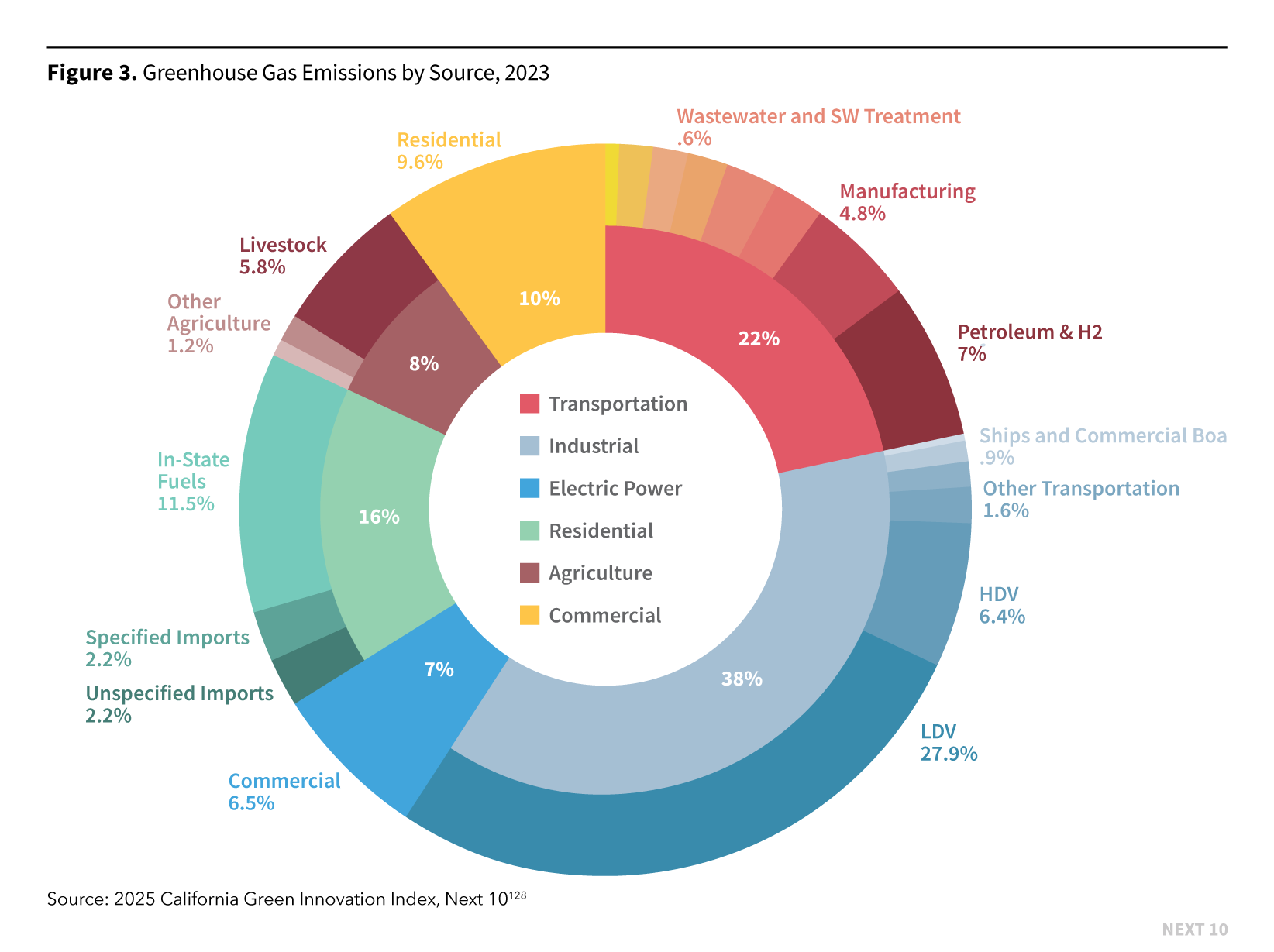
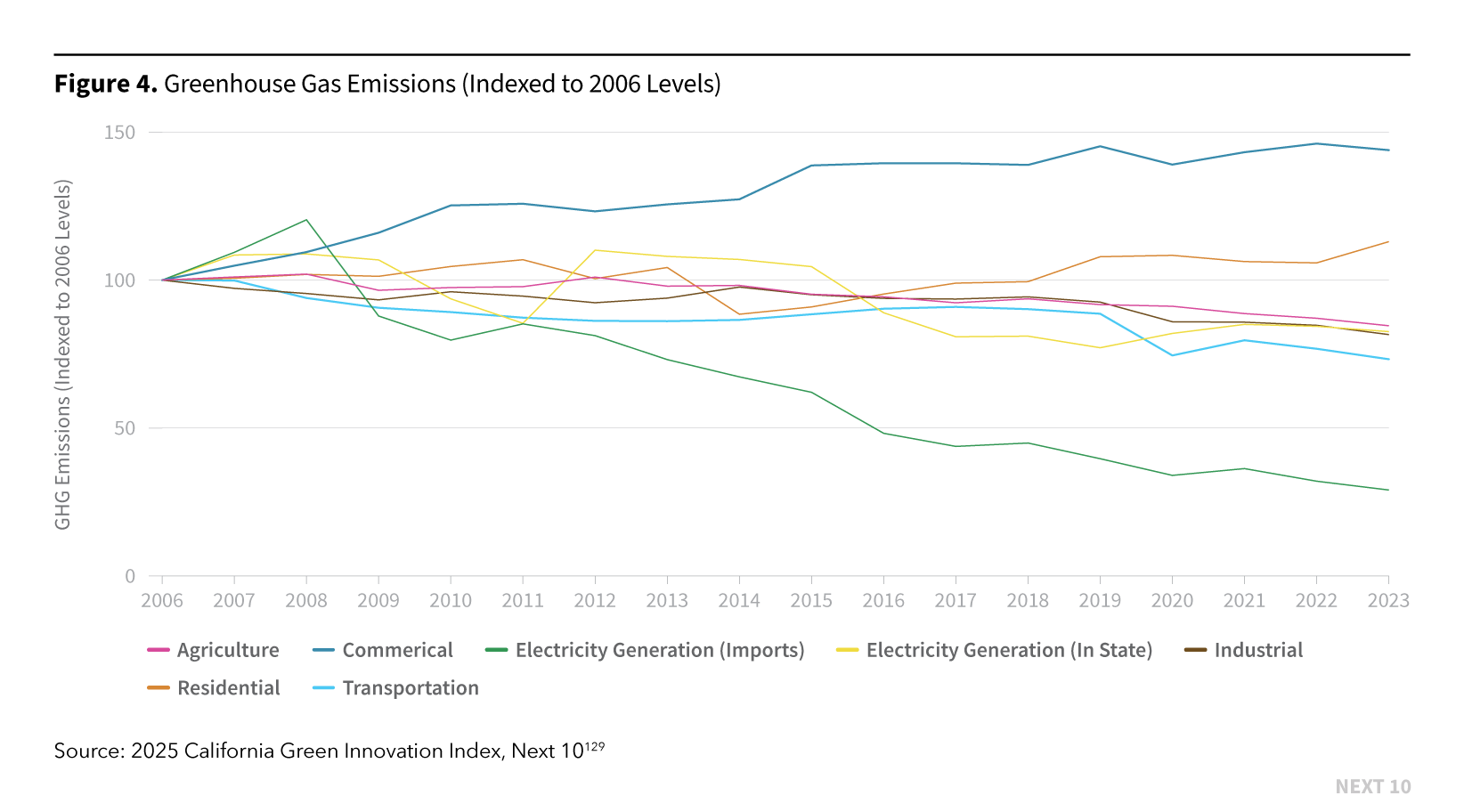
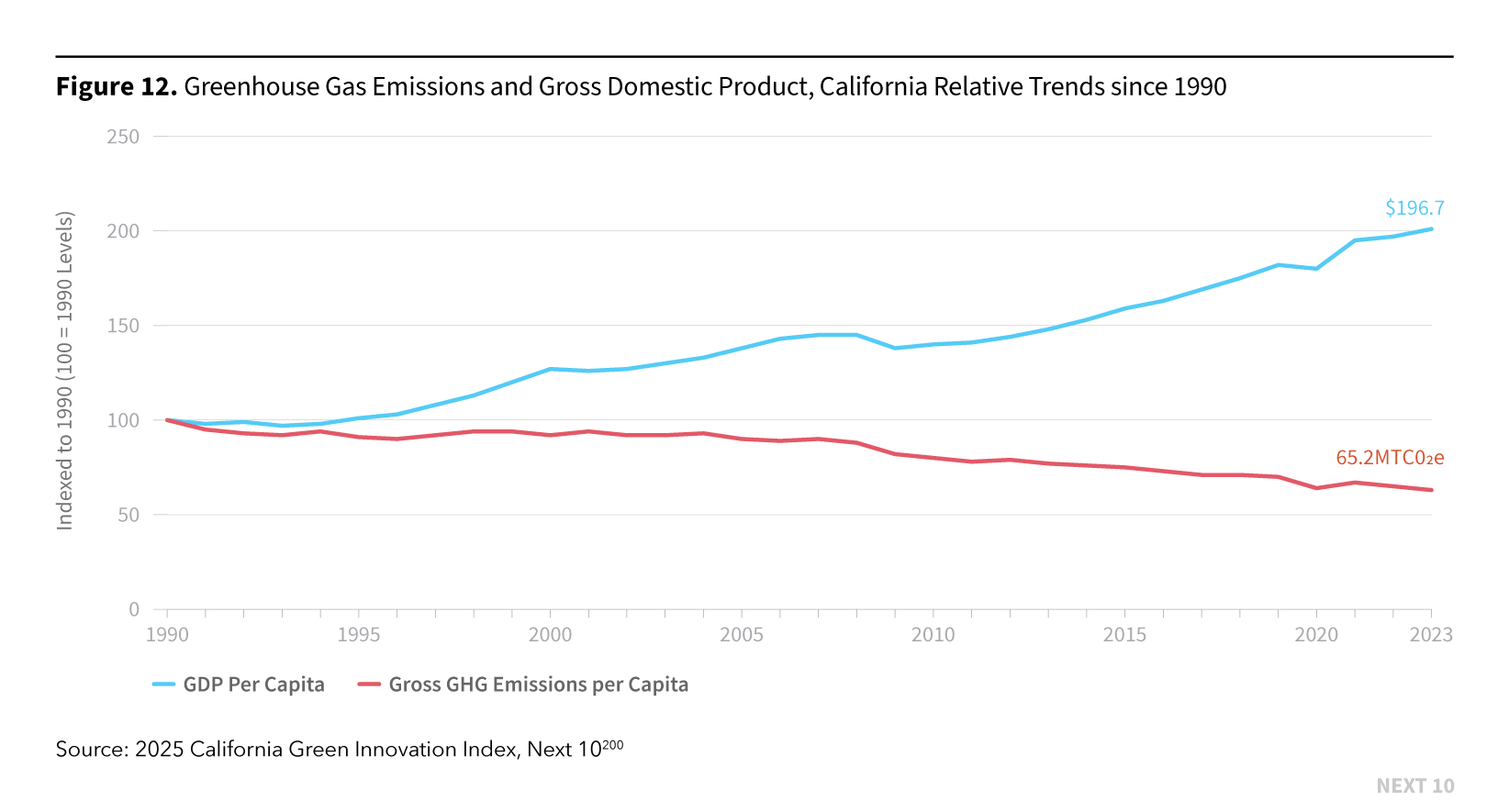
The culmination of decades of climate work at the state and local levels, AB 32 represented a critical stepping stone in California’s emergence as a global climate leader, laying the foundation for increasingly ambitious climate policies and demonstrating that meaningful climate solutions could be achieved at the state level. It laid the groundwork for future climate policy, encouraged climate innovation, provided clean technology jobs across the state, and has led to robust economic benefits — all while reducing emissions. Since its passage in 2006, California’s GDP per capita has grown by 41% (as of 2023) while GHG emissions per capita fell by 29%.
AB 32 was the first legislation of its kind in the US and positioned California as a global leader with regards to climate policy and action. AB 32 served as a model for other state level greenhouse gas emissions regulations with Hawaii, New Jersey, Massachusetts, and Connecticut passing similar legislation. In addition to the replication of AB 32, states across the nation have implemented versions of California’s Low Carbon Fuel Standard and adopted California’s more stringent tailpipe emissions standards under the state’s Clean Air Act waiver, leading to nationwide emissions reductions. Globally, California has engaged international governments in climate partnerships, consolidated cap-and-trade programs, and signed memorandums of understanding to enhance progress on reducing emissions.
Twenty years later, AB 32 has proved that climate policy can support robust economic growth. In the wake of recent federal policy, and the impacts of growing electricity demand, high electricity prices, aging infrastructure, and the increasing effects of climate change, it is more important than ever that California continue to adopt innovative and progressive climate policies.
Featured Graphics
Overview
- AB 32, in the first bill of its kind, established a cap on economy-wide GHG emissions and directed CARB to establish regulations to meet this cap, authorizing CARB to implement a market-based mechanism to control emissions.
- The culmination of decades of climate work at the state and local levels, AB 32 represented a critical stepping stone in California’s emergence as a global climate leader, laying the foundation for increasingly ambitious climate policies and demonstrating that meaningful climate solutions could be achieved at the state level.
Emissions Reductions
- Since its passage in 2006, California’s GDP per capita has grown by 41% (as of 2023) while GHG emissions per capita fell by 29%.
- Met goal of reducing emissions to 1990 levels by 2020 four years ahead of schedule.
- In 2006, California was the 12th-largest emitter of greenhouse gas emissions in the world, just after Mexico. In 2023, California stood as the 20th-largest, producing fewer emissions than smaller economies such as Brazil, Australia, and Indonesia.
Renewable Growth
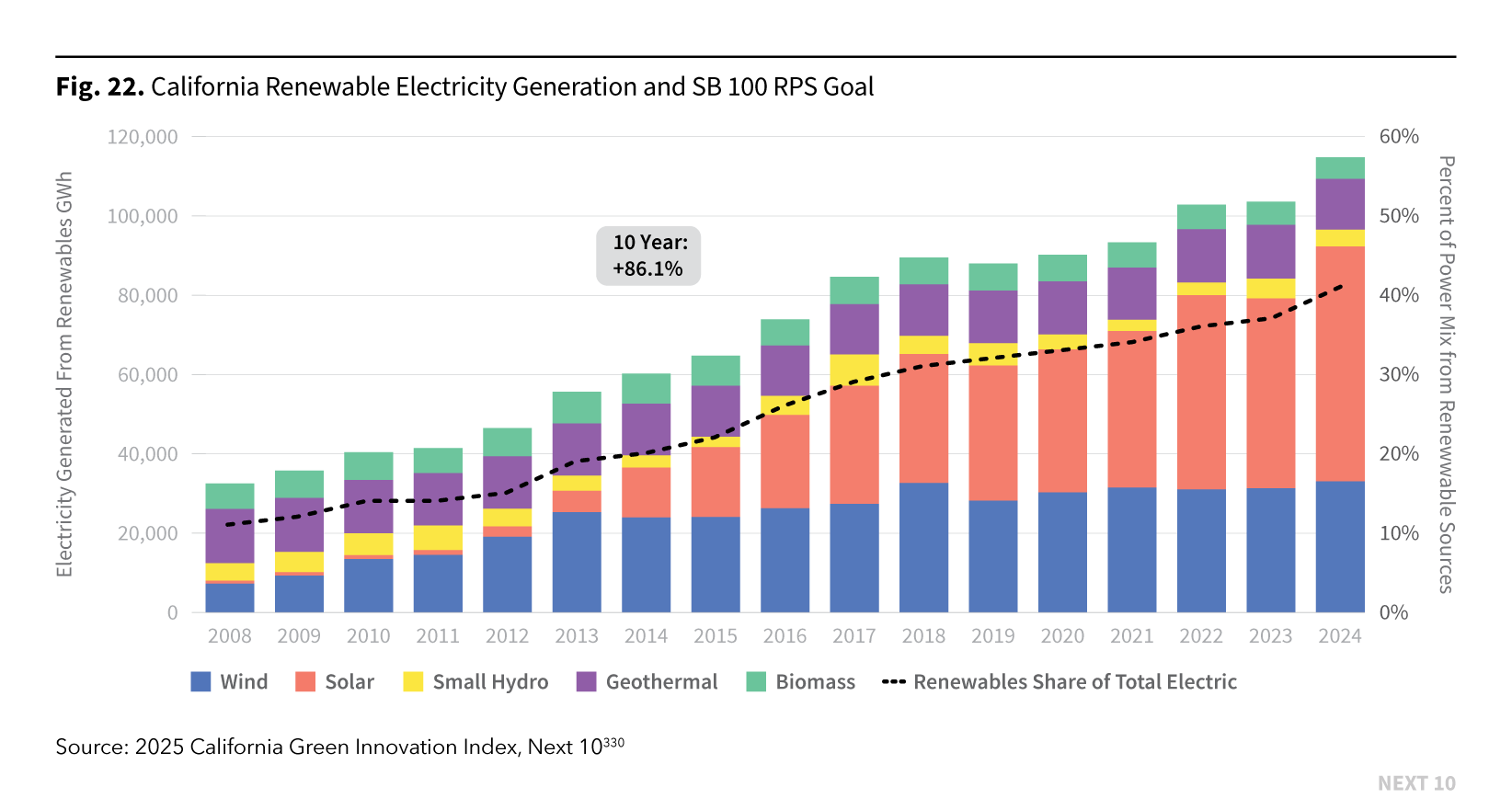
- Achieved 1 million solar roofs in December 2019 with over 3,000 MW of rooftop solar capacity installed. By the end of 2023, the state had over 2 million solar roofs and similar small systems with nearly 16,000 MW of capacity.
- Achieved 100% clean electricity for periods of 219 and 279 days in 2024 and 2025, respectively.
- Increased installed utility-scale solar capacity by 7,847% from 2008 to 2024.
- Installed over 21,000 MW of battery storage by mid-2026, an increase of 2,500% since 2019 and 41% of the way toward meeting the state’s goal of installing 52,000 MW of battery storage by 2045.
- 51% of California’s electricity in May 2026 was produced by solar (utility-scale and rooftop) — the first time the clean energy source surpassed the halfway mark for an entire month and the first global economy to do so.
Cap-and-Trade
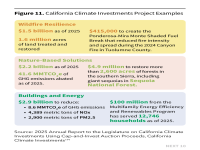
- Since its inception, the cap-and-trade program has raised over $36.2 billion with $16 billion returned to residents and small businesses through the California Climate Credits program that provides a twice-yearly credit on electricity bills to all customers.
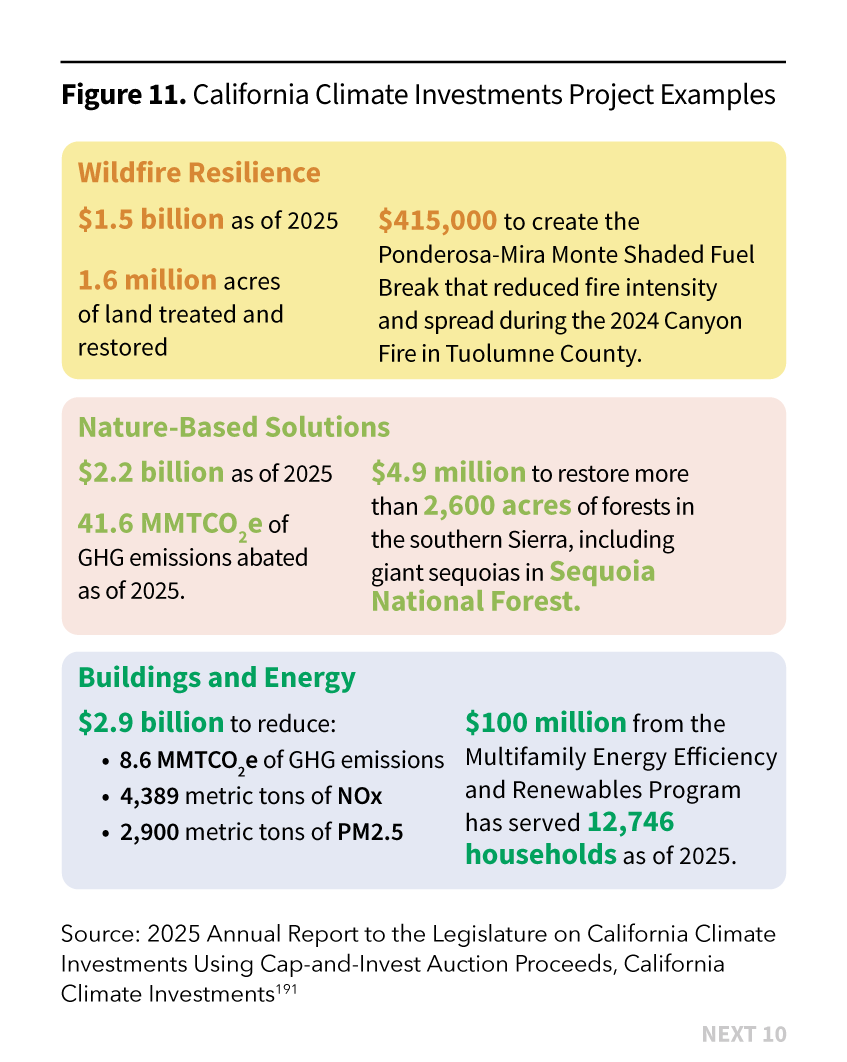
- Awarded over $21.6 billion through the cap-and-trade program to fund California Climate Investment (CCI) programs to support over 143,000 jobs cumulatively.
- In 2025, Governor Newsom announced that CARB has directed $632 million in cap-and-trade funds to more than 9,000 local-level air-quality improvement projects since 2017, with 85% of the funding reaching disadvantaged and low-income communities, to reduce harmful air pollutants and emissions by replacing old diesel equipment and upgrading vehicles, among other actions.
Green Jobs
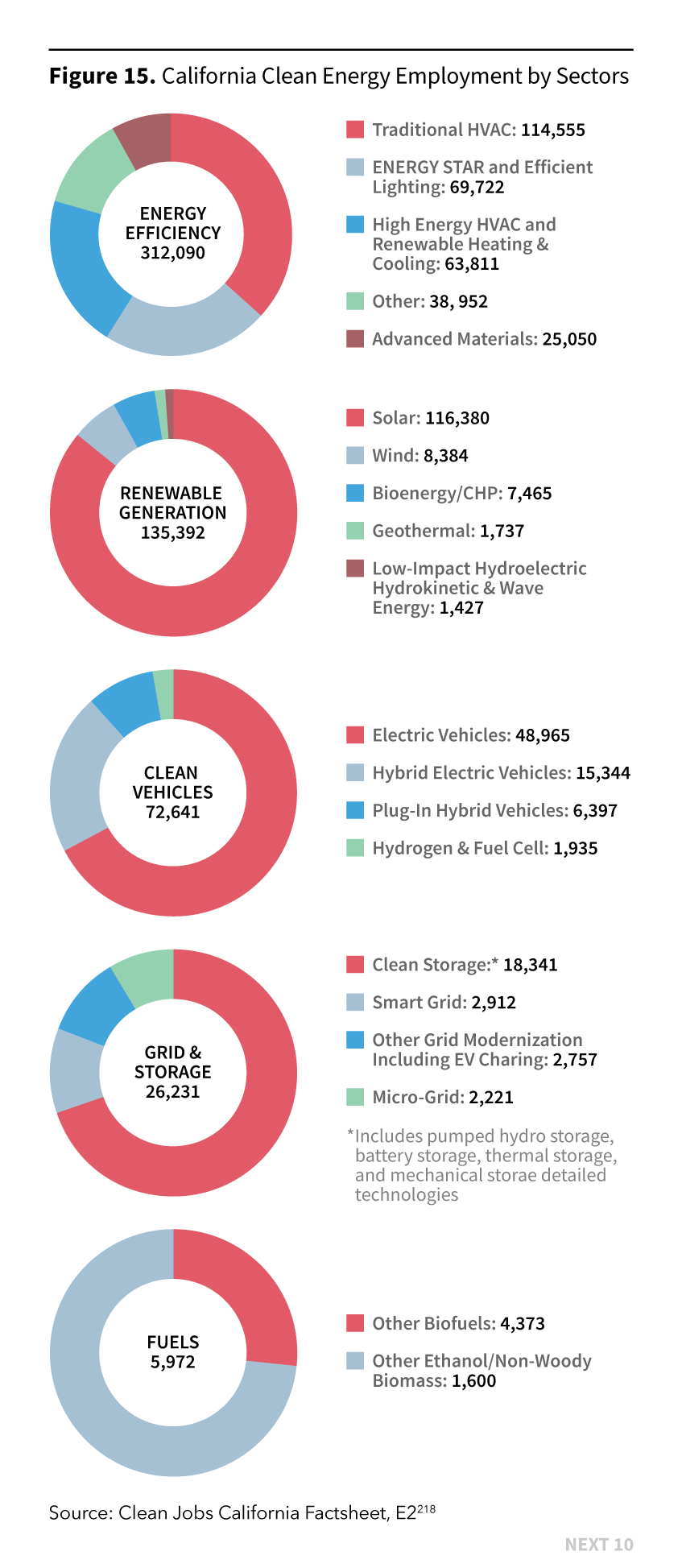
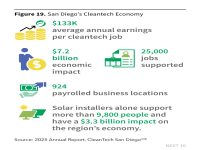
- Created 552,300 clean energy jobs in California as of 2024 — the most of any state in the U.S. and nearly twice the second-ranked state (Texas).
- Since the Legislature first appropriated funds from cap-and-trade in 2014 — making major investments in affordable housing, low-carbon transportation, forest health, community air protection, and more — while supporting over 143,000 jobs.
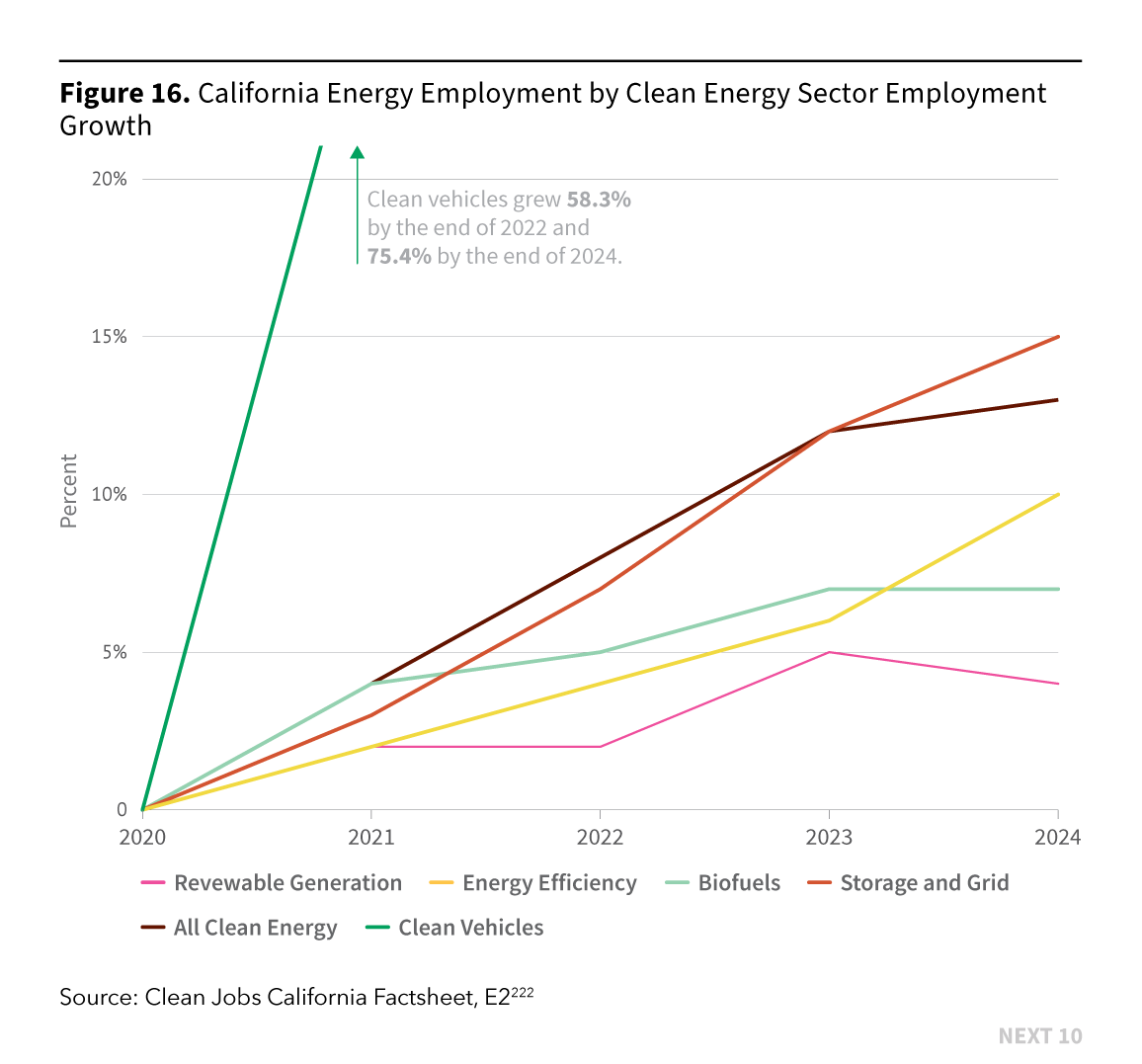
- The amount of California workers in clean vehicle jobs grew by 58.3% by 2022 and 75.4% by 2024 compared to 2020, representing a huge shift towards electric vehicle production across the state.
- More than seven times as many workers were employed in clean energy jobs than in the fossil fuel industry (80,600) in 2024 and 79% of all new energy jobs in California are clean energy jobs.
- From 2018 to Q2 2024, clean tech investments in California totaled $191 billion — the most of any state.
Leadership
California’s climate leadership also spurred action beyond our borders as AB 32 was intended to be the beginning of a global movement toward climate action.
- AB 32 has served as a model for multiple state level greenhouse gas emissions regulations as Hawaii, New Jersey, Massachusetts, and Connecticut all implemented their own versions of the Global Warming Solutions Act, shortly after California’s implementation.
- California’s Cap-and-Invest program, formerly known as Cap-and-Trade, was adopted by Washington state as well as Connecticut, Delaware, Maine, Maryland, Massachusetts, New Hampshire, New Jersey, New York, Rhode Island, and Vermont through the Regional Greenhouse Gas Initiative (RGGI).
- Oregon, Washington, New Mexico, and Hawaii have implemented versions of California’s Low Carbon Fuel Standard.
- 17 states and the District of Columbia are beneficiaries of California’s Clean Air Act Waiver, preempting standard federal regulations to set stricter tailpipe emission and zero-emission vehicle (ZEV) standards under Section 117.
- “Section 177 States” accounted for 40% of new light-duty vehicle registrations and 28% of new heavy-duty vehicle registrations in the United States in 2025.
- In 2007, Governor Arnold Schwarzenegger established the International Carbon Action Partnership (ICAP) in 2007 with more than 15 signatories as an international forum for governments that have implemented or are planning to implement emissions trading systems.
- In 2009, Governor Schwarzenegger created the Governor’s Climate and Forest Taskforce (GCF Taskforce), the world’s largest subnational network dedicated to protecting forests, reducing emissions, and enhancing livelihoods across the tropics.
- California and Québec established the Western Climate Initiative (WCI) in 2011 that administers the shared emissions trading market between the two jurisdictions, representing the largest carbon market in the Americas and one of the largest in the world.
Legacy
- Twenty years later, 75% of Californians support the state in reducing greenhouse gas emissions in line with the goals set by the Global Warming Solutions Act of 2006 and subsequent legislation.
- About two in three favor the state government making its own policies separate from the federal government on climate change. 60% favor requiring that all electricity come from renewable energy by 2045.